
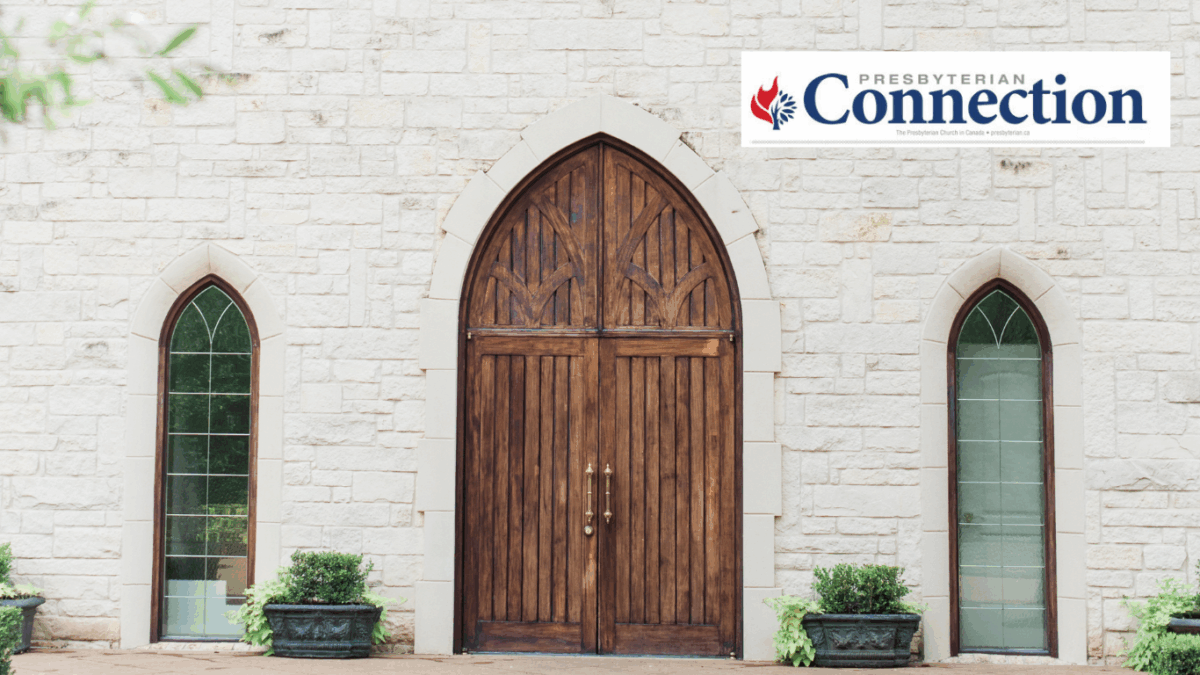
Rethinking Church Land and Buildings
As churches look at the future of their land and buildings, it is easy to feel like this is a massive task that congregations must deal with on their own. But there is an incredible amount of work happening across the country to help churches rethink how the land and buildings they steward could be used to serve God’s mission in new ways, particularly in providing housing for people who need support.
As part of my role with the PCC, I speak with congregations about how to access funding for visioning and feasibility activities that can help them make decisions about how their buildings and property could better serve their community.
But, as executive director of a Presbyterian mission that serves people who are homeless and provides housing solutions for vulnerable populations, I also spend a lot of time at meetings and conferences with planners, housing providers, developers, architects and researchers from across the country who are also interested in serving the social good, particular for housing and community space.
So, I want to share a few initiatives that are taking place that can help churches of all denominations see the roles they can play to help communities address the housing crisis gripping our country.
Communities of Faith Working Group
The Canadian Mortgage and Housing Corporation (CMHC) has brought experts in housing, property development, and planning together with faith leaders to talk about the challenges that faith communities often face when they want to participate in redevelopment projects.
This group’s goal is to identify barriers and solutions to building housing on faith-owned land.
Zoning Reform for Faith-Based Affordable Housing
This project looks at what municipalities can do to speed up rezoning approvals to help churches include housing in their redevelopment plans.
For example, in the face of its own housing crisis, the city of Barrie, Ont., made significant changes to its official planning policy to make it easier to rezone land, including land zoned for religious use. This opens up opportunities to increase the amount of mixed-use space and should speed up municipal approvals.
Heritage Status
Heritage buildings can create unique barriers to redeveloping church properties. However, when a project will bring a significant net good to the community, it becomes a form of currency that can be used to negotiate with the municipality.
When the heritage status of a building threatens to block a project that will ultimately be a direct benefit to the community or solve a municipal problem like affordable housing, municipalities are far more likely to find ways to remove that block.
It can also be helpful to remind a municipality that if they expect church buildings to become museums, they need to fund it.
Navigator Guide: Supporting Churches with “Pre” Pre-Feasibility
There are over a dozen guides, workshops, online and in-person training programs to help charities and churches learn how to redevelop their land to include affordable housing and/or space for community work. But realistically, few churches have volunteers able to take on this commitment.
There is a lot of work that needs to be done before calling in an architect or developer and CMHC has funded a project to look at ways to train “navigators,” or coaches, on how to help churches get ready to think about redevelopment.
Churches need to spend time thinking about who they are, what they want their legacy to be, and how they connect to their neighbourhood and wider community.
This new program will train and support facilitators and navigators to help churches through this early process, assess their readiness for a project, and consider their options before they start spending money on studies or interviewing builders and architects.
This is the work that The Presbyterian Church in Canada and Evangel Hall are allowing me to do, and I can help congregations connect with the experts being equipped by CMHC.
Walking Alongside Congregations
The fact is that most ministers don’t go to divinity college and most elders don’t volunteer in churches because it’s a pathway to a new career in social housing, but many see how this can play a role in God’s mission.
I’m here to assure you that you’re not alone. I’m one of many people across the country who are ready to walk alongside congregations to help them use the land they steward for the greater social good, allowing ministers and church members to focus on what is important to them—mission and ministry.