
Who would you be if you didn't have a home? Who do you get to be because you have one?
These aren't rhetorical questions. They're the heart of a new video campaign we've launched at Evangel Hall Mission—one that's changing conversations about housing and homelessness.
When I first started talking to people about building supportive housing in their communities, I heard the polite deflections. "We're a middle-class neighbourhood." The euphemisms were confusing—they didn't match my experience with the remarkable people living in EHM residences. There was a disconnect, and it needed bridging.
The problem wasn't malice. It was misunderstanding. When people think "homeless," many conjure stereotypes that have nothing to do with the individuals who simply need stable housing. We wanted to introduce communities to their actual neighbours—not as case studies or statistics, but as people.
EHM partnered with Fresh Bread Film Co. to create “The Most Interesting Person in the Room”, a video series that does something unusual: it focuses on who our tenants are, not who they were. I had seen Fresh Bread's work before and was struck by how they captured personalities—the things that make people uniquely themselves.
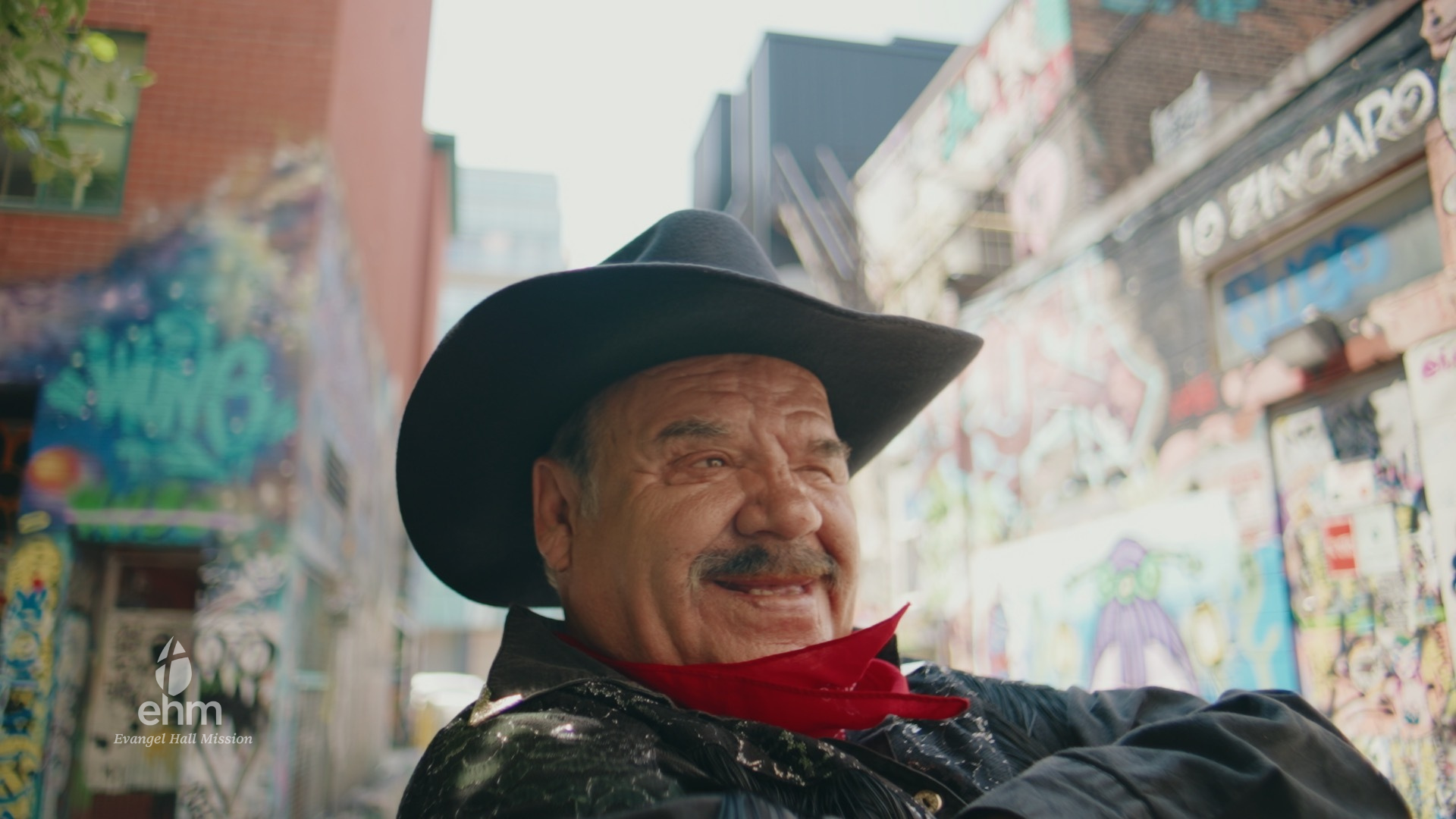
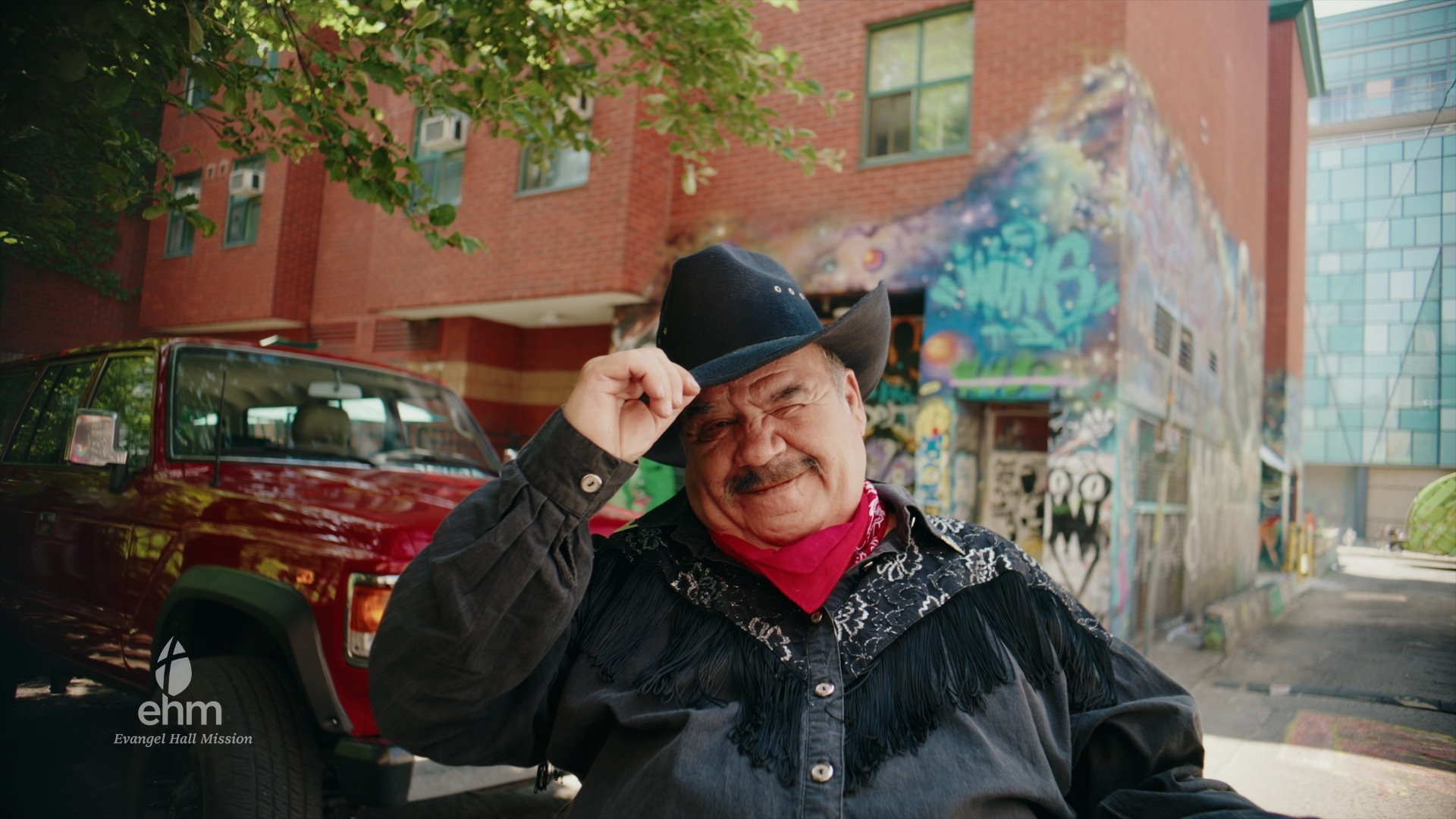
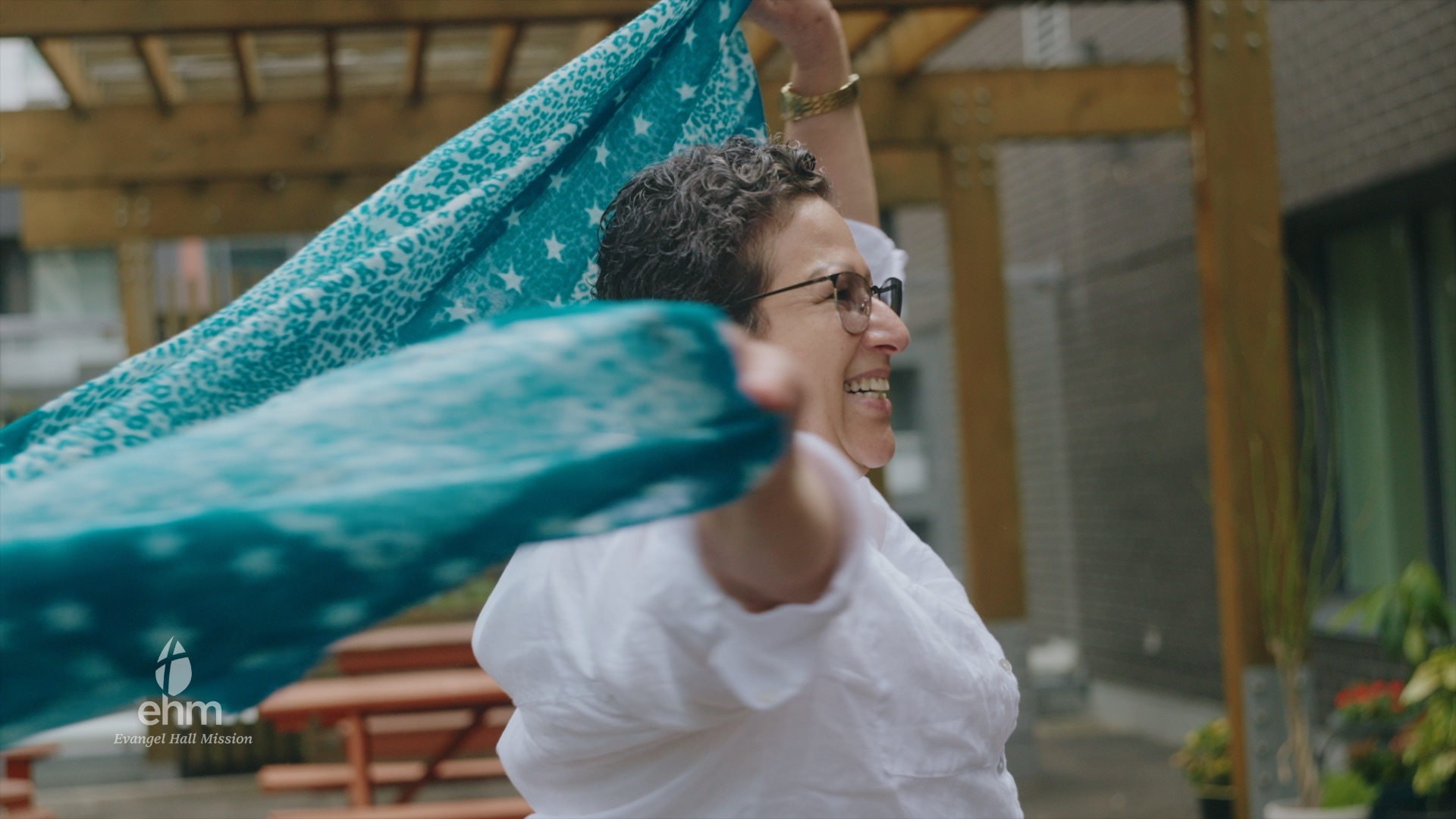
During filming, they asked me about the backstories of our featured tenants. I had to admit—I didn't know. I know who tenants are now, because of EHM's housing. That Doris loves cooking and music. That Ron loves watching old westerns with friends. That Horatio wants to become a police officer.
This is what housing does. It lets people be people again—pursuing hobbies, building friendships, living simply. Everyone at EHM has overcome extraordinary barriers, but they're not here to be warriors. They're here because they want what anyone wants: peace, purpose, and a place to call home.
YIMBY – Yes in My Back Yard
Many neighbourhoods are facing proposals for new developments from social housing providers, and churches are exploring whether to include housing in their redevelopment projects. EHM’s campaign offers a compelling response: housing belongs here.
Not as charity, but as community-building that reflects the deepest values of hospitality and neighbour-love.
The videos challenge assumptions about who needs housing—and in doing so, reveal the breadth of that need. Accessible housing for seniors and people with disabilities. Affordable housing for single parents, students, early-career workers, and low-wage earners. Housing with supports for people managing illness. Intensive supportive housing for those with complex mental health and substance use challenges.
When churches consider redevelopment plans, when new neighbours move in, when social housing projects are proposed nearby—these moments are opportunities to ask: What has housing done for my life? And how can we make that happen in our neighbourhoods, our churches, our backyards?
I invite you to meet Doris, Ron, and Horatio at www.evangelhall.ca/meetyourneighbours. Watch their stories. Share them with friends, neighbours, and community members.
Because the most interesting person in the room might be the one you haven't met yet—the one who just needs a home to show you who they really are.